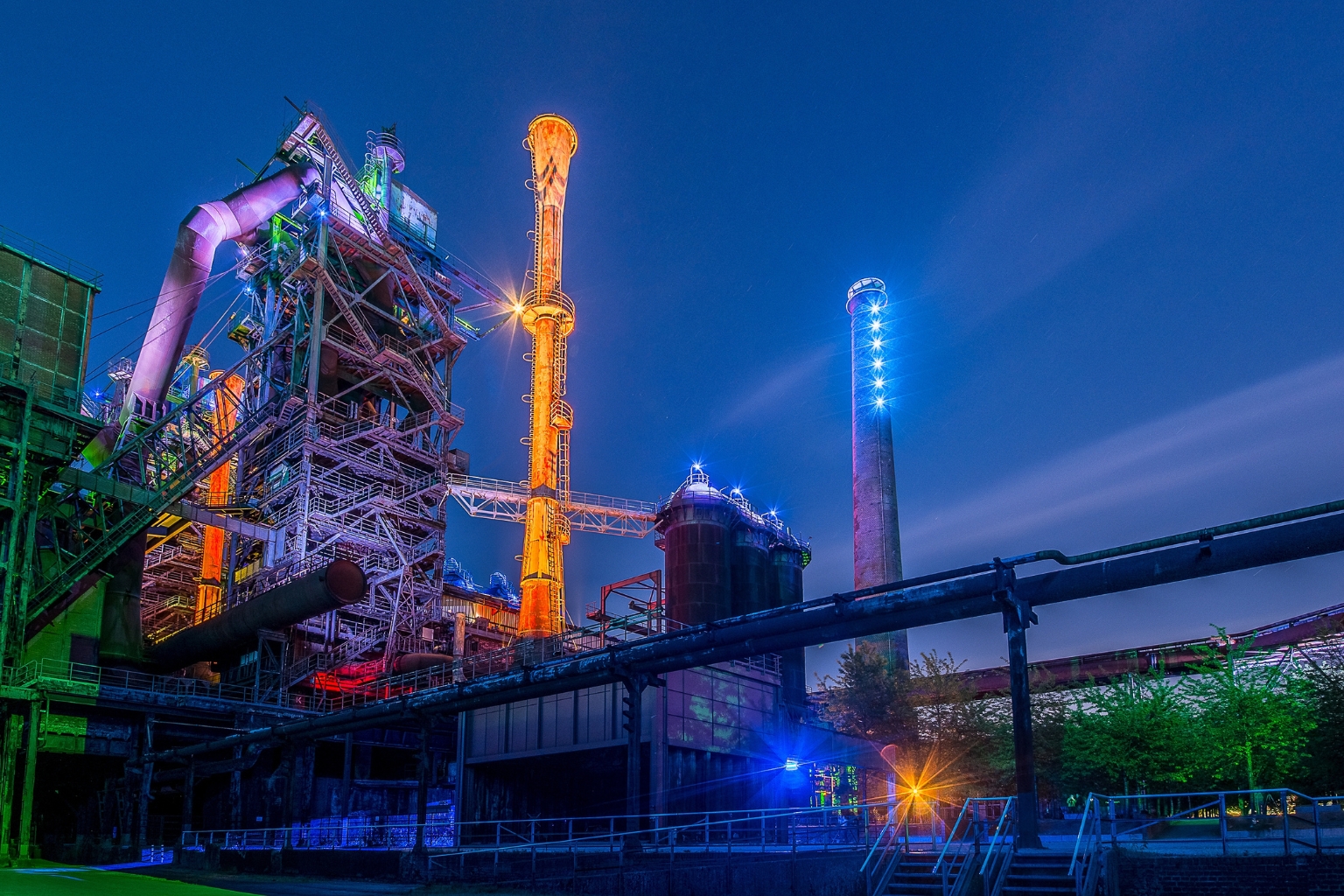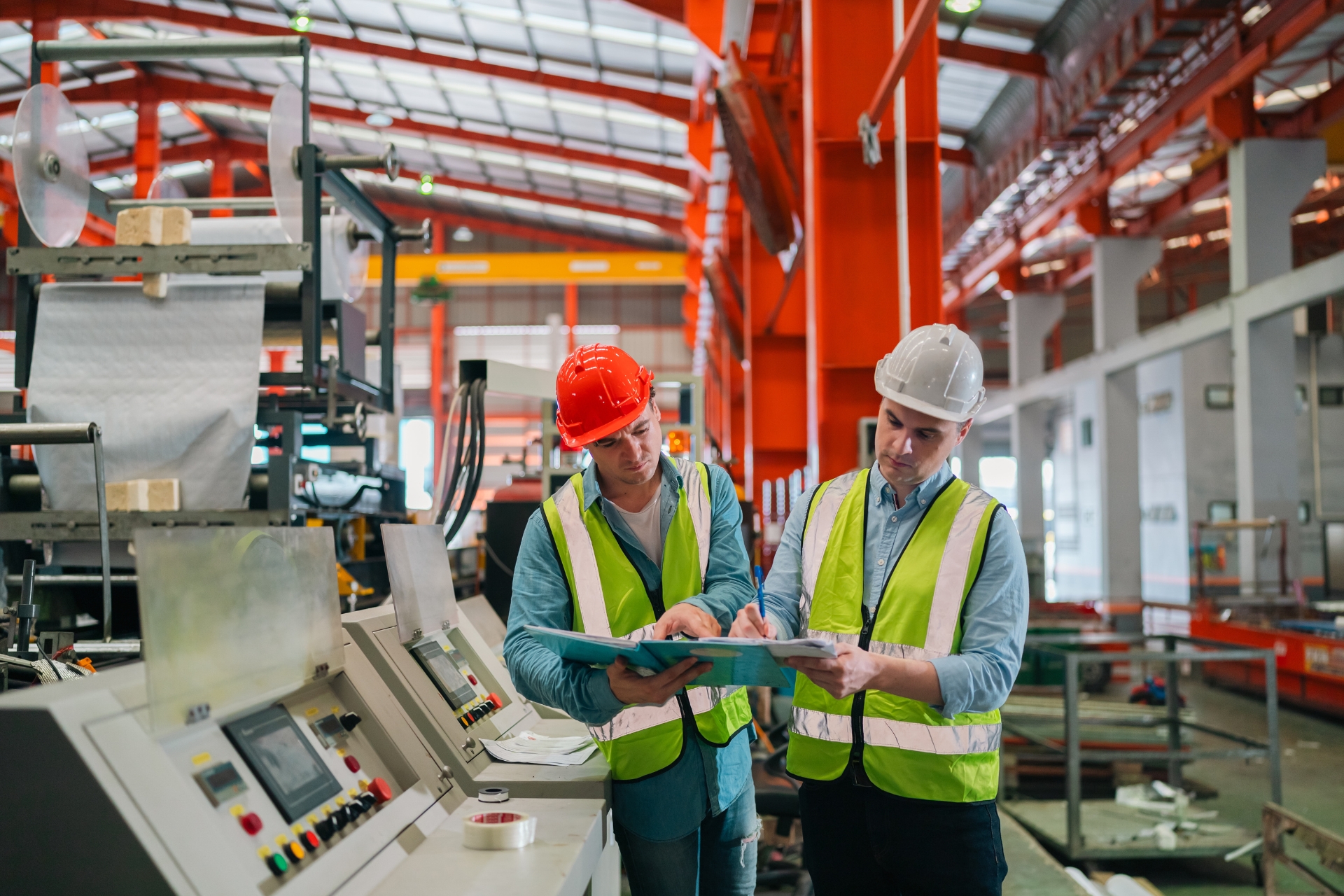



That's the opportunity Arsenal was built around. Across the country, existing industrial properties and research parks along with defunct malls and even vacant office space have the space, infrastructure, and strategic location to support defense manufacturing, light manufacturing, R&D, and even test and evaluation, not to mention transportation logistics, but many remain overlooked or underused. We work with facility owners, economic development organizations, defense manufacturers, and industry partners to identify those opportunities and help move them toward production. By connecting the right people around the right facilities, and the right restoration professionals we're helping expand America's defense industrial base without starting from the ground up.
We don't see industrial properties as vacant buildings. We see infrastructure with unrealized potential. Every facility is evaluated for what it can become, not simply what it is today.
Successful reactivation takes more than a building. It requires the right manufacturers, property owners, economic development organizations, capital partners, and restoration specialists working toward the same objective. Arsenal exists to bring those pieces together or supply the missing puzzle piece.
Industrial capacity didn't disappear overnight. It declined over decades as factories closed, production shifted overseas, and manufacturing sites were left vacant or repurposed. Today, defense manufacturers are expanding while thousands of industrial properties remain underused. The opportunity isn't a lack of buildings. It's the challenge of identifying the right facilities, preparing them for modern manufacturing, and bringing the right partners together to make reactivation possible.
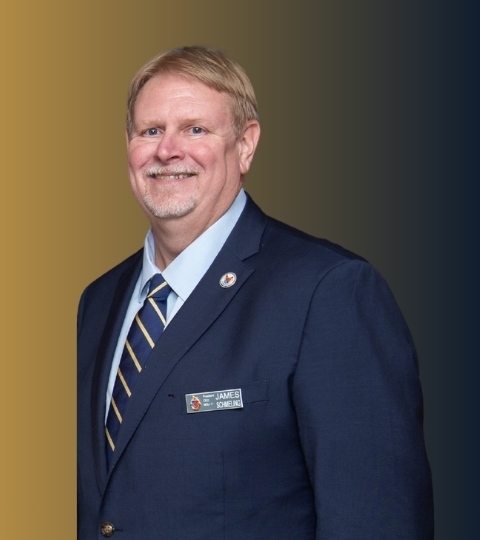
Arsenal was founded by James Schmeling, whose career has focused on strengthening America's industrial and defense capabilities through strategic partnerships and mission-driven leadership. Over more than 25 years, he has worked across defense policy, workforce development, higher education, and public-private collaboration, helping launch initiatives that have attracted more than $90 million in government and institutional funding and connected local, state, and federal government, business, industry, and academia around shared objectives.
That experience shaped Arsenal's approach. Rather than viewing industrial reactivation as a real estate challenge alone, Arsenal sees it as a coordination challenge. Successful projects depend on aligning the right facilities, manufacturers, capital, restoration and activation specialists, and regional partners to create lasting manufacturing capacity where it is needed most.
Reactivating an industrial facility requires more than a building. It requires the right strategy, the right partners, and the ability to move a project from opportunity to operation.
Industrial reactivation succeeds when manufacturers, facility owners, economic development organizations, investors, and restoration partners work toward the same objective. Arsenal helps build those relationships and keeps projects moving from evaluation through execution.

We focus on practical solutions, clear communication, and long-term partnerships that create lasting manufacturing capacity.

Whether you're evaluating a facility, exploring a partnership, or looking for manufacturing capacity, we'd love to hear from you.